 CupClarityOur approach
 How many cups does a 250g bag of coffee make? Dose, leftovers and cost
A 250g bag gives 12 full 20g doses, not 12.5 complete drinks. Compare common dose examples, leftover beans and the ingredient cost per cup.
Published September 24, 2026. Calculations and planning examples are our editorial work, not results from a tasting trial. Defaults are adjustable examples. No affiliate links.
| Dose per preparation | Full doses from 250 g | Beans left | Coffee cost at $15 / 250 g |
|---|---|---|---|
| 10 g | 25 | 0 g | $0.60 |
| 15 g | 16 | 10 g | $0.90 |
| 18 g | 13 | 16 g | $1.08 |
| 20 g | 12 | 10 g | $1.20 |
| 25 g | 10 | 0 g | $1.50 |
Count full doses first
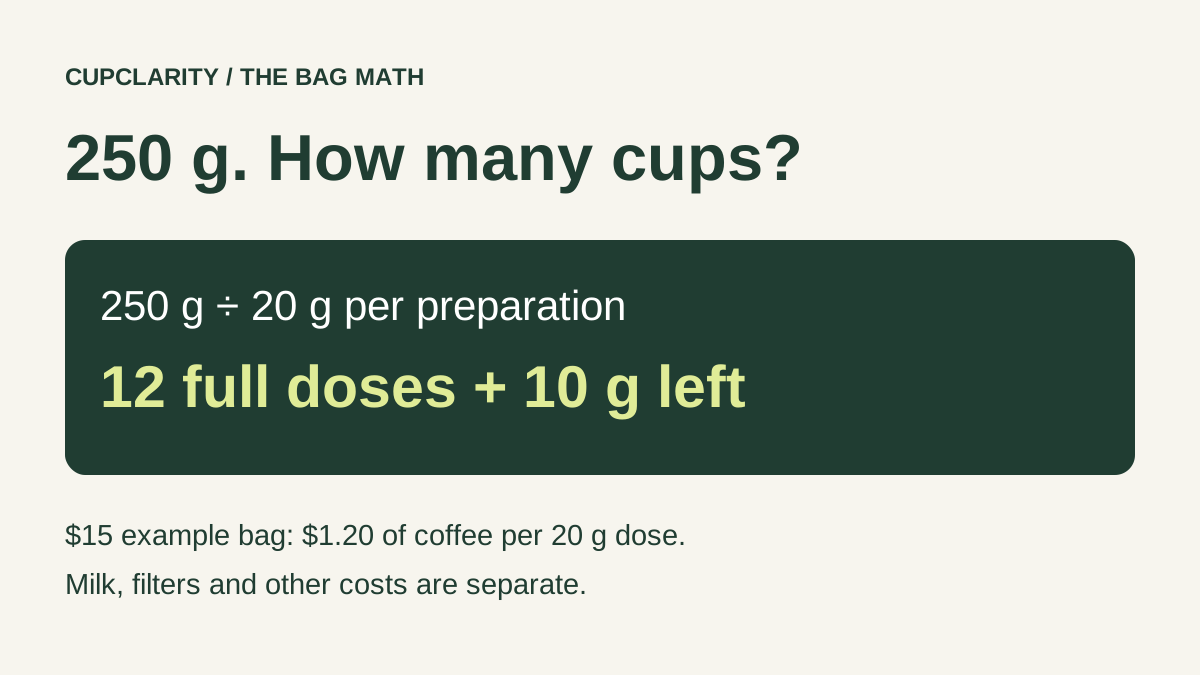
Divide the net weight of the bag by the coffee dose for one preparation. A 250 g bag divided by 20 g gives 12.5 mathematically: twelve complete 20 g doses and 10 g left. That leftover is still coffee, but it cannot make another full 20 g recipe on its own. The table rounds the drink count down and keeps the remainder visible. “Cup” here means one preparation using your chosen dose, not a universal mug size.
Choose the dose for the recipe you actually use
The example rows are not prescriptions for espresso, filter coffee or every brewer. If you weigh 18 g for one preparation, use the 18 g row even if the drink is split between two people. If one larger filter batch serves several mugs, calculate how many batches the bag supports first, then count the portions you actually pour. This avoids comparing a single espresso preparation with an entire carafe as though both were the same unit.
Separate recipe yield from water volume
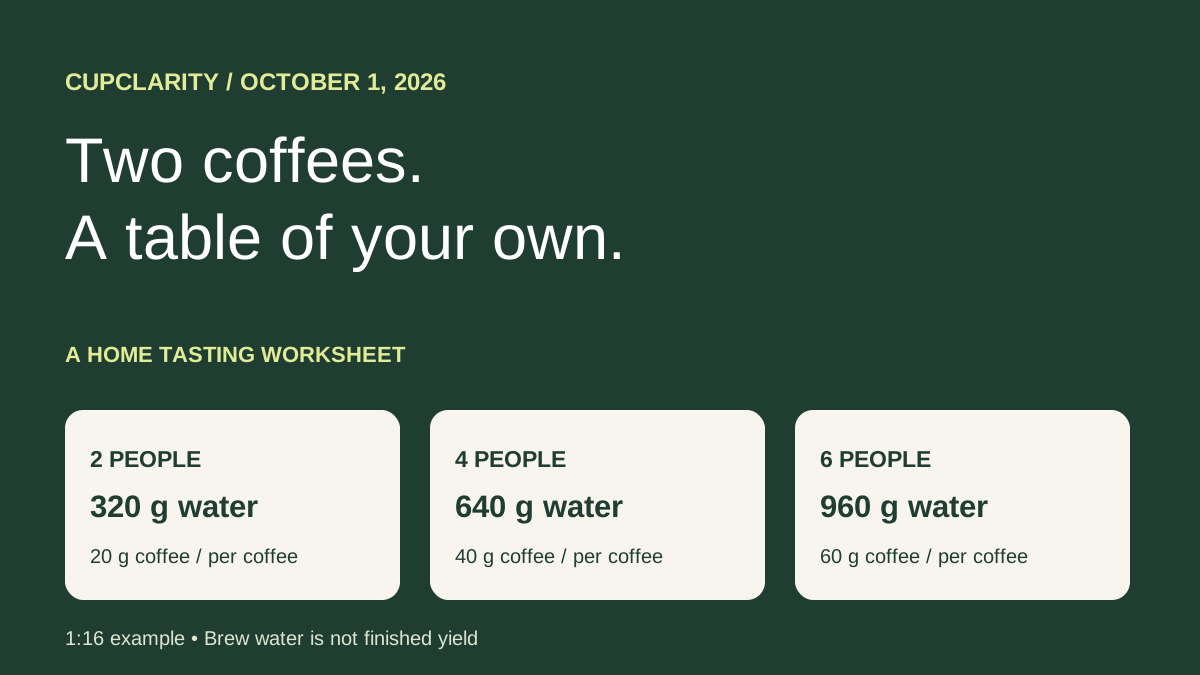
A ratio changes the water you pour for a given coffee dose; it does not create more coffee in the bag. At a selected 16:1 water-to-coffee ratio, 20 g of grounds corresponds to 320 g of brew water. The finished drink will weigh less when grounds retain water. Use the ratio calculator for preparation quantities, then measure your actual serving if you need to plan mugs. Do not multiply a mug’s nominal capacity by the bag’s dose count and call that a measured yield.
Price the consumed coffee and keep leftovers visible
For a hypothetical $15 bag weighing 250 g, the ingredient cost is $0.06 per gram. A 20 g dose costs $1.20; twelve doses consume $14.40 of coffee and leave $0.60 in the remaining 10 g. If you discard those beans, the effective bag cost per completed drink is instead $15 divided by 12, or $1.25. Both figures answer useful but different questions. None of these prices is a current retail quote.
Account for the coffee that never reaches the cup
Dial-in doses, spills and coffee used to clear a grinder reduce the amount available for drinks. Record actual usage instead of applying a made-up universal waste percentage. If 10 g of a bag is used outside your drinking recipes, a 20 g dose leaves 240 g available and supports twelve preparations. The next bag may differ. This worksheet deliberately excludes grinder retention measurements we have not made.
Turn the count into a purchase plan
At two 20 g preparations a day, twelve full doses cover six days. That is a usage estimate, not a storage-life recommendation. Include other household drinkers before deciding how much to order. The cost calculator separates coffee, milk and other entered costs; set milk to zero for black coffee. Filters, electricity, equipment and time do not disappear simply because the bean calculation is exact. Add relevant costs separately if your question is the total cost of your daily routine.